
Esther and Her Father
The Bell JarThis flow traces Esther’s childhood loss, her delayed grief, and the late return of her father as an emotional presence during her crisis.
increasing Bearing strength in each event
 decreasing
Bearing strength in each eventdecreasingThe Childhood Loss
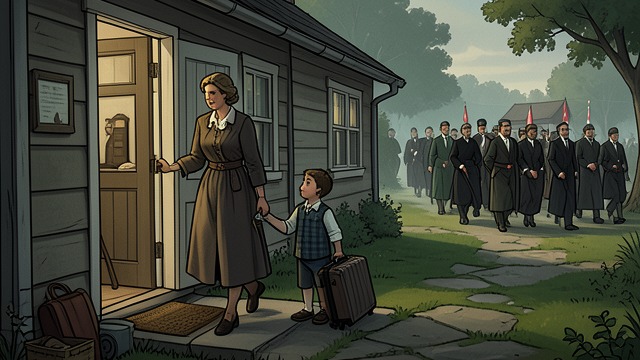
A Death Left Unmourned
Family rupture
Esther’s father dies after a long illness while she is still a child. The family moves inland, and her mother becomes responsible for supporting the children.
Grief deferred
Esther later remembers childhood as the last period when she was purely happy. The loss becomes an absence she does not initially know how to name.
The Unvisited Grave
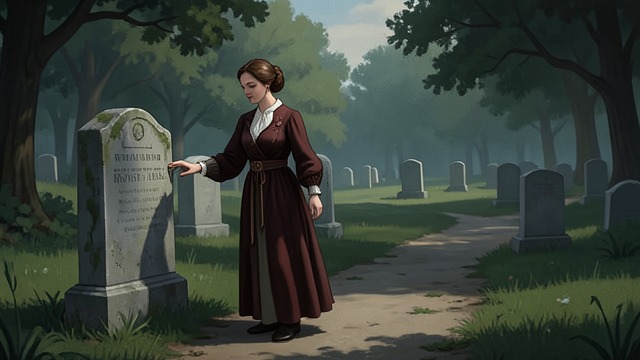
Seeking the Missing Father
A belated journey
Esther goes to the cemetery intending to find her father’s grave. The family has not visited it, and his death has remained unreal in her memory.
A longing for instruction
She imagines that her father would have taught her languages and insects and might have shaped another life for her. His absence stands for knowledge and guidance she feels she never received.
The Gravestone
Grief Finally Spoken
Finding the stone
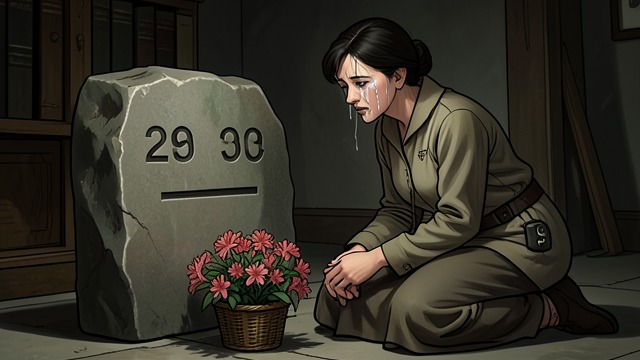
Esther finds her father’s name crowded beside another grave, marked by two dates and a dash. The spare inscription makes the finality of his life newly concrete.
A first lament
She lays azaleas at the stone and cries for the father whose death she never mourned. The grief breaks through the numbness that has protected her from loss.
The Prison Road
A Father as Explanation
A desperate story
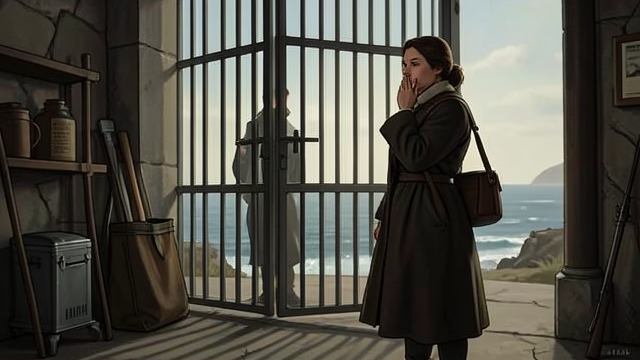
At Deer Island, Esther tells a guard that she is seeking the way into the prison and imagines a life she might have lived near the sea. When asked why she cries, she says it is her father.
Displaced blame
Her invented explanation gives pain a familiar source she can speak aloud. It does not account for the whole crisis, but reveals how the old bereavement remains available beneath it.
The Bell Jar Landscape
Loss Incorporated
Memory returns
Esther recalls her father alongside New York, the hospital, Joan, and the many scenes that shaped her breakdown. She no longer treats the past as an unrelated sequence that can simply be forgotten.
A changed relation
Her father’s death remains painful, but it has become part of the landscape she recognizes as her own. Remembering does not cure her; it marks a greater capacity to hold experience.
when Esther is nine years old
late summer, during Esther’s return to her hometown
during Esther’s visit to the cemetery
after Esther’s suicide attempt at home
near the ending, as Esther prepares to return to college
